

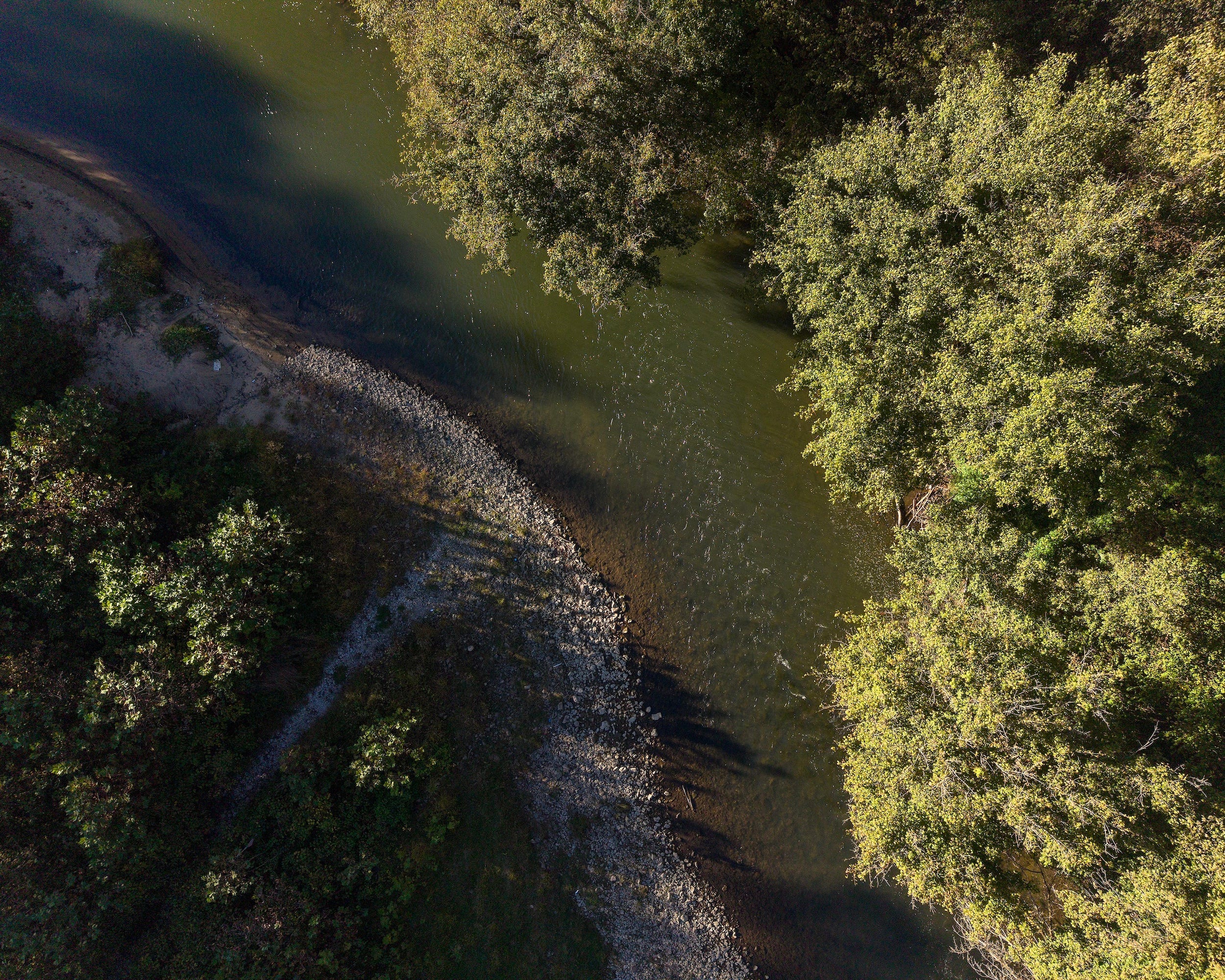
One of my earliest memories is someone holding me in their arms as I watched a procession of people come into my mawmaw and granddad’s house in Chattaroy. I was two and my grandparents were opening their home to folks who’d been at the mercy of the Tug Fork when it flooded in 1977. Everyone living then remembers that flood.
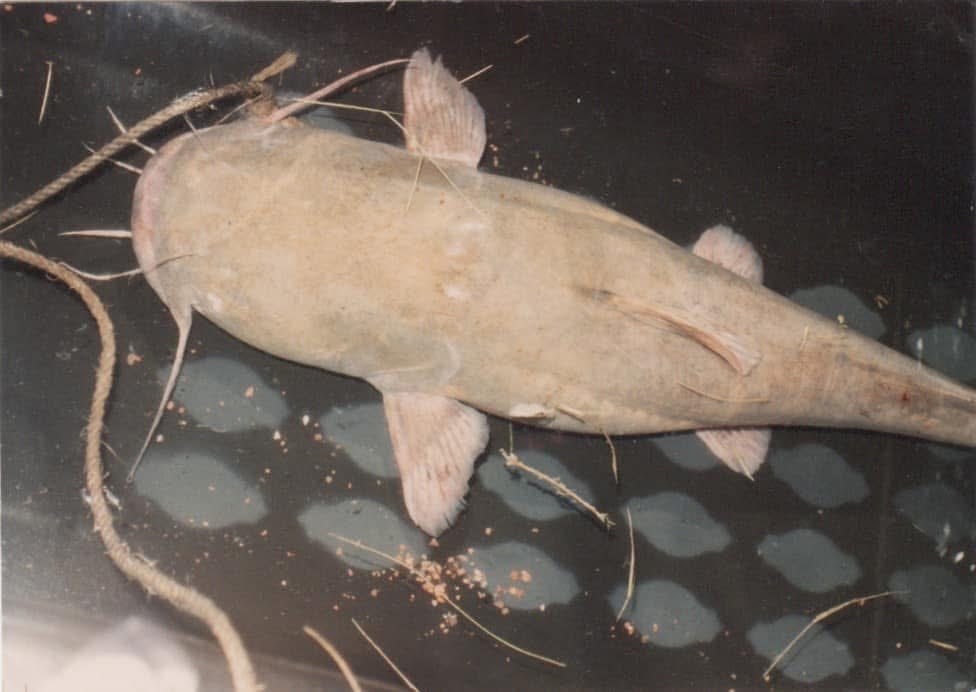
If the flood was my first glimpse of what the river could do, fishing with my granddad was how I came to know it. We’d fish the banks at the mouth of Chattaroy holler. Sometimes we’d head toward Naugatuck and sometimes we’d go to Laurel Lake. Usually it was of the evening and night and we’d fish for catfish. One time, he caught one large enough that he brought it home and mawmaw put it in the bathtub. True story.
I remember the stillness of the night, the lantern perched on the sandy banks, and how I learned to bait the line with chicken livers; the quiet interrupted by the thunk of the bait hitting the water then disappearing into the dark. I remember not having a care in the world and feeling what it was like to be loved without the words needing to be spoken.
Those early lessons on the banks of the Tug Fork pointed me to my love for being outside and formed a connection to a river I keep crossing.
The Tug Fork serves as the boundary between West Virginia and Kentucky (and, for a short stretch, between West Virginia and Virginia). History tells us rivers make convenient borders, but standing on the bank, my heart tells me this river doesn’t divide states or towns or property deeds. It doesn’t recognize them at all. It flows, it slows, it floods, without malice, forethought, or any great design. The river simply is.
It has been subjected to all manner of pollution, both by intention and accident. I’ve seen trash pitched from moving vehicles make its way into the muddy water. I’ve seen trash bags and tires and spring-loaded rocking horses stuck in trees, carried away by floodwaters from somewhere else. So many tires.
Working with a camera to explore and understand this river, I’m guided by early childhood memories of finding refuge in knowing where I was and who I came from. Following the Tug Fork from its headwaters to its confluence grounds me, and it shows me how much the river means to other people, too. It also makes room for a childlike wonder, the kind that has me craning my neck to see what’s around the next bend.
Thanks for reading this newsletter and for supporting it by being a paid subscriber, by sharing it with someone you know, or by liking and commenting. I appreciate it!
- Roger
“Catfish in a bathtub”
Lovely piece, Roger. Thank you.